Measure Perceptual Video Quality with Video Mean Opinion Score (VMOS)

HeadSpin Video Mean Opinion Score (VMOS) gives you a simple 1–5 score that shows how viewers actually experience your video quality. Built on human-labeled data, it highlights clarity, smoothness, and playback issues across the timeline, so you can quickly spot drops in quality and deliver a viewing experience your users enjoy from start to finish.
retail testing header image

How HeadSpin Delivers User-Perceived
Video Quality Scores with VMOS

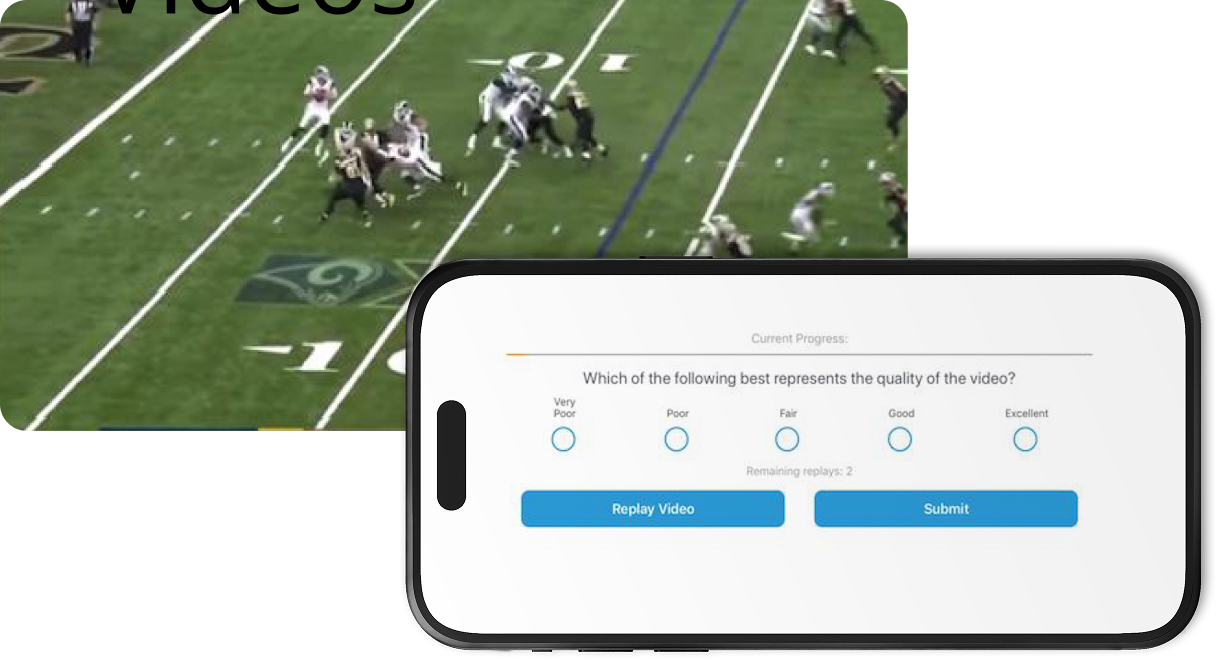
Training the VMOS Algorithm

  • HeadSpin VMOS uses human-labeled data and compares scores across sessions or benchmarks to produce consistent, user-perceptual video quality ratings.
  • Advanced statistical methods ensure VMOS scores remain fair and reliable, reducing the impact of inconsistent or biased ratings.
Retail Business Solutions (ERP, CRM, POS)
In-Store Experiences Solution

VMOS Scoring System

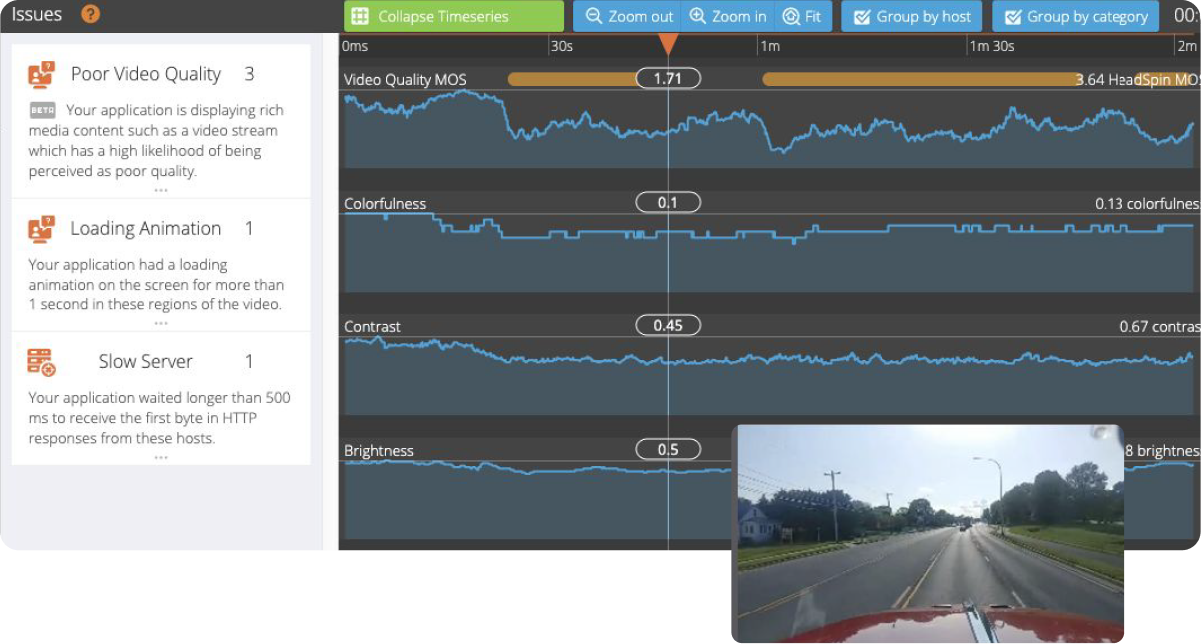
  • HeadSpine generates MOS scores ranging from 1 (Very Poor) to 5 (Excellent), giving you both overall video quality and detailed moment-by-moment insights.
  • Spot drops instantly and prioritize fixes that matter most to users.

Actionable Insights for Video Quality Management

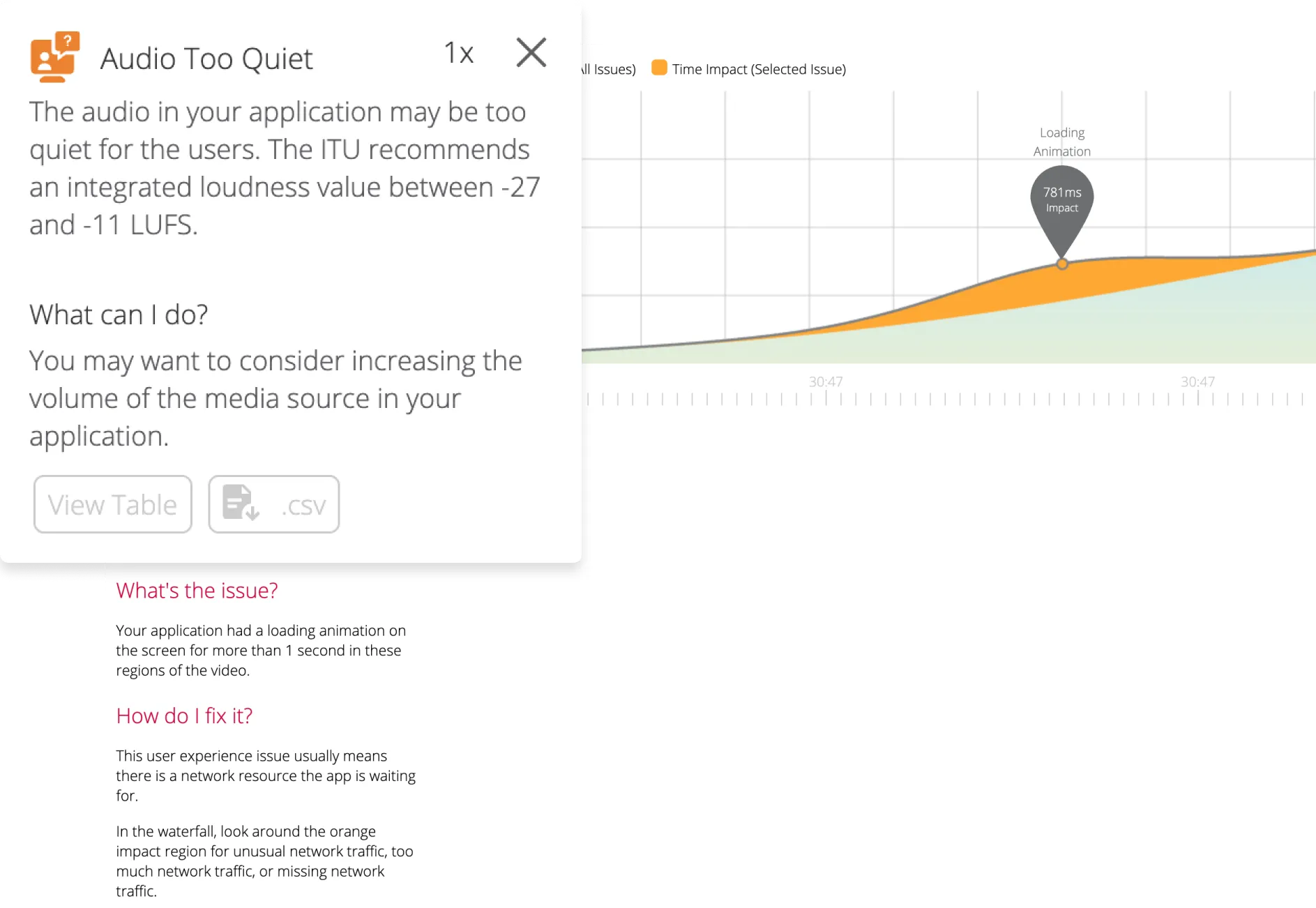
  • HeadSpin’s UI pairs VMOS results with auto-generated Issue Cards that highlight segments of the video where quality drops occur.
  • Track quality variations over time with detailed charts that flag the exact moments when playback issues occur.
  • Correlate video quality metrics with app-level performance data to quickly identify root causes and take action before users are impacted.
Retail Business Solutions (ERP, CRM, POS)

Factors That Impact Your VMOS Score

VMOS measures the aspects of your video that have the most significant impact on user experience.
Network Stability and Bandwidth
Poor network stability causes delays, jitter, and packet loss, directly lowering MOS scores with video freezes or stuttering.
Network Latency
High latency causes interruptions, delays, and poor audio-video sync, directly lowering MOS scores with lip-sync issues or buffering.
Video Compression Techniques
Compression artifacts like pixelation degrade visual appeal and lower MOS scores, making faces appear blurry or blocky.
Video Resolution Quality
Lower resolution affects video clarity and sharpness, leading to lower MOS scores with pixelated or blurry video.
Frame Rate Consistency
Lower frame rates create jerky or stuttering experiences, reducing MOS scores with jittery or unstable video appearance.
Camera and Display Hardware
Poor camera and display quality affect video clarity and color accuracy, leading to lower MOS scores with blurry or pixelated visuals.

Ready to uncover what impacts your users’ viewing experience? Connect With HeadSpin Experts

Any questions?
We got you.

Easily reproduce and resolve high-priority bugs across client-server communications.
More FAQ?

Q1. What's the difference between VMOS and traditional video quality metrics?

Q2. Can VMOS work without having a reference video for comparison?