.png)


.png)



AI-Powered Key Takeaways


Table of Contents

Software ships faster than it used to, and testing has to keep pace without becoming the reason a release slips. That's the whole reason QA automation tools exist. They take the repetitive, high-volume parts of testing off a person's plate so your team can focus on the bugs that actually need a human eye.
The market for these tools looks pretty different than it did even two years ago. AI-assisted maintenance and cloud device labs get a lot of the attention these days, but a handful of open source frameworks still anchor most real-world automation strategies, and for good reason. They're free, backed by large active communities, and they don't tie a team into a vendor's roadmap or pricing changes.
This guide walks through 16 of the best QA automation tools for 2026. We'll cover what each tool is actually good at, the categories they fall into, and how to think through choosing the right combination for your team.
What Are QA Automation Testing Tools?
Quality assurance automation tools, or QA automation tools for short, are programs that run test cases against an application without a person clicking through every scenario by hand. They execute a script, compare what actually happened against what should have happened, and flag anything that doesn't line up.
Most teams lean on QA automation for exactly the kind of work that gets tedious fast regression checks after every build, cross-browser passes, and repeated data-driven scenarios that would eat up entire days if someone ran them manually every release.
A few things stay fairly constant across almost every tool in this category.
- Running the same test script across builds, browsers, or devices without anyone clicking through it by hand
- Comparing actual results against an expected outcome and flagging mismatches automatically
- Producing a report that shows what passed, what failed, and why
- Plugging into a CI/CD pipeline so tests fire on every commit or pull request
Types of QA Testing Tools
Not every open source tool in this space solves the same problem, and the right pick usually depends on what you're testing and who's doing the testing. Here are the main categories worth knowing before you start comparing specific projects.
1. Browser and web automation frameworks
Selenium, Playwright, Cypress, and WebdriverIO fall into this bucket. Engineers write test scripts in a real programming language and own the whole stack, from the test runner to how results get reported.
2. Mobile automation frameworks
Appium extends the same idea to native, hybrid, and mobile web apps on iOS and Android, reusing much of the same WebDriver logic teams already know from browser testing.
3. Language-native unit and integration testing frameworks
JUnit and TestNG sit closer to the code itself, giving Java teams a structured way to write, organize, and run tests as part of the build process instead of as a separate layer on top.
4. BDD and API-focused frameworks
Cucumber, Karate, and SoapUI cover the ground between readable, business-facing test specs and direct API validation, letting non-engineers follow what a test actually checks.
5. Performance and load testing tools
Apache JMeter, Gatling, Locust, and k6 simulate real-world traffic against an application, which is really the only reliable way to know how it holds up under actual load instead of a handful of test accounts.
6. Generic keyword-driven automation frameworks
Robot Framework sits a layer above most of these, letting teams describe test steps in plain keywords and plug in libraries underneath for whatever they're actually automating.
7. AI-driven real device testing platforms
Platforms like HeadSpin pair a real device cloud with AI-driven test execution and analysis, covering the infrastructure and insight layer that a pure open source framework doesn't try to solve on its own.
16 Best QA Automation Tools for Software Testing
Here's a quick side-by-side look at all 15 tools before we get into the details on each one.
QA Automation Tools Compared: Features, Pros, Cons, and Pricing
1. Selenium
Selenium remains the most widely adopted open source browser automation framework, and it's usually the first tool a team encounters when building out web test coverage. Engineers write tests in Java, Python, C#, JavaScript, or Kotlin against real browsers through the WebDriver protocol.
Features:
- Cross-browser support for Chrome, Firefox, Safari, and Edge
- WebDriver protocol works with nearly every major programming language
- Selenium Grid for distributed and parallel execution
- A large plugin and library ecosystem built up over almost two decades
Pricing: Free and open source.
2. Playwright
Built by Microsoft, Playwright has become the framework a lot of teams reach for when starting a new web automation project from scratch. It was designed from the ground up to reduce the flakiness that older frameworks struggled with.
Features:
- Runs against Chromium, WebKit, and Firefox from a single API
- Auto-waiting and network interception built directly into the framework
- Parallel and headless execution available out of the box
- A codegen tool that records browser actions into working test scripts
Pricing: Free and open source.
3. HeadSpin
HeadSpin takes a different angle from the frameworks above, pairing test automation with a global real device cloud and AI-driven analysis instead of asking a team to build that infrastructure themselves.
Features:
- A real device cloud spanning phones, tablets, and browsers across global regions and carrier networks
- ACE, an AI agent that executes, validates, and self-heals tests as the UI changes
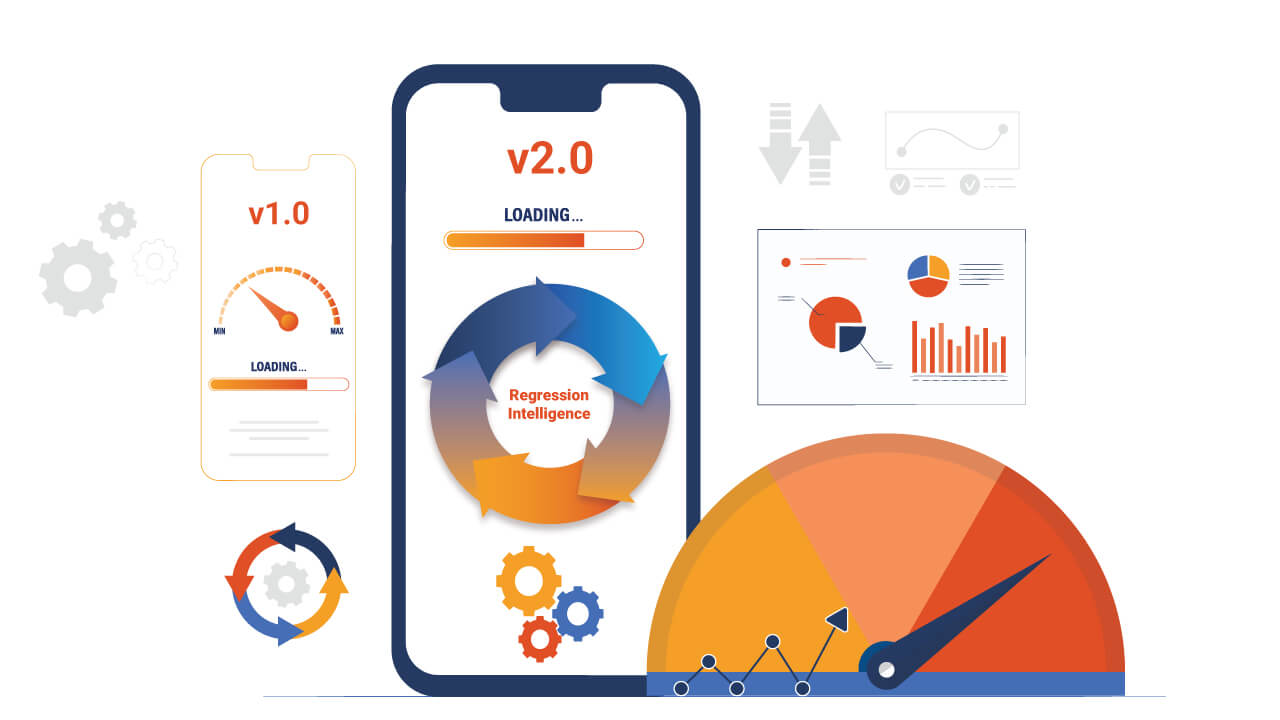
- Regression Intelligence that flags what changed between builds instead of requiring a full manual review
- Works alongside existing Selenium and Appium test suites without a rewrite
Pricing: Cloud Test Lite, Cloud Test Go, and Cloud Test Pro plans scale from smaller teams up to full enterprise programs.
4. Cypress
Cypress runs directly inside the browser, which gives testers a real-time view of every command as it executes rather than waiting for a full run to finish before seeing results.
Features:
- Time-travel debugging with a DOM snapshot at every step
- Automatic waiting, so there's no need for manual sleep statements
- A built-in test runner with a readable command log
- An open source core that covers recording, assertions, and CI-friendly output
Pricing: Free and open source.
5. Appium
Appium extended the WebDriver protocol into mobile testing, and it's still the default choice for teams automating native, hybrid, and mobile web apps on iOS and Android.
Features:
- Works across both iOS and Android from a single API
- Reuses much of the same logic developers already know from Selenium
- Runs against real devices, simulators, and emulators
- Supports Java, Python, JavaScript, and several other languages
Pricing: Free and open source.
6. WebdriverIO
WebdriverIO gives Node.js and JavaScript teams a test automation framework built specifically around the WebDriver and WebDriver BiDi protocols, rather than treating JavaScript as an afterthought bolted onto a Java-first tool.
Features:
- Works across browsers, native mobile apps, and desktop apps through Appium and Electron support
- A large plugin ecosystem for reporting, visual checks, and test runners
- Built-in support for Cucumber and Mocha style test structures
- Auto-waiting and smart element selection built into the core API
Pricing: Free and open source.
7. TestNG
TestNG was built as a next-generation alternative to JUnit, adding features Java teams needed as their test suites grew larger and more complex.
Features:
- Native parallel test execution across methods, classes, or entire suites
- Flexible test configuration through annotations and XML suite files
- Built-in support for data-driven testing through data providers
- Generates detailed HTML and XML reports out of the box
Pricing: Free and open source.
8. JUnit
JUnit is usually the first testing framework a Java developer learns, and it still anchors most Java build pipelines today.
Features:
- Annotation-based test structure that's simple to read and write
- Deep integration with build tools like Maven and Gradle
- Assertions and extensions covering most standard testing needs
- Broad IDE support across IntelliJ, Eclipse, and VS Code
Pricing: Free and open source.
9. Cucumber
Cucumber lets teams write test scenarios in plain, readable language through Gherkin syntax, then maps those scenarios to actual automated steps underneath.
Features:
- Gherkin syntax that non-engineers can read and help write
- Sits on top of frameworks like Selenium, Playwright, or Appium rather than replacing them
- Supports multiple languages, including Java, JavaScript, and Ruby
- Generates reports that map directly back to business-readable scenarios
Pricing: Free and open source.
10. Karate
Karate combines API test automation with a BDD-style syntax, so a test reads almost like plain English while still validating real requests and responses.
Features:
- Built-in support for REST, GraphQL, and SOAP API testing
- No glue code needed between steps and assertions, unlike a typical Cucumber setup
- Native support for data-driven testing and parallel execution
- Can extend into UI testing alongside its API testing core
Pricing: Free and open source.
11. SoapUI
SoapUI has been a staple of API testing for years, particularly for teams working with SOAP web services alongside modern REST APIs.
Features:
- Supports both SOAP and REST API testing in one tool
- Drag-and-drop test creation alongside scripted assertions
- Data-driven testing through external data sources
- Security and load testing add-ons built around the same test definitions
Pricing: Free and open source, with a separate commercial ReadyAPI edition for advanced features.
12. Apache JMeter
When the question shifts from "does it work" to "does it hold up under load," JMeter is usually where teams turn first.
Features:
- Support for HTTP, JDBC, JMS, FTP, and several other protocols
- Distributed load generation across multiple machines
- Detailed graphs and listener reports
- An extensive plugin ecosystem built up over years of active use
Pricing: Free and open source.
13. Gatling
Gatling takes a code-first approach to performance testing, letting engineers define load scenarios in Scala, Java, or Kotlin instead of clicking through a GUI.
Features:
- High-throughput load generation with a relatively small resource footprint
- Detailed HTML reports generated automatically after each run
- Scenarios defined as code, so they fit naturally into version control
- Plugins for protocols beyond plain HTTP, including WebSocket and gRPC
Pricing: Free and open source, with a separate Gatling Enterprise edition for larger teams.
14. Locust
Locust lets teams write load tests as plain Python code, which makes it an easy pickup for teams that already lean on Python for tooling.
Features:
- Load test scenarios defined as regular Python functions and classes
- A web-based UI for watching load ramp up and results come in live
- Distributed load generation across multiple machines
- Works against virtually any protocol a Python library can talk to
Pricing: Free and open source.
15. k6
k6 was built for developers who wanted load testing to feel like writing regular application code instead of configuring a separate testing tool.
Features:
- Test scripts written in JavaScript, with results streamed in real time
- Built-in thresholds that can fail a build automatically when performance drops
- Strong CI/CD fit, designed to run the same way locally and in a pipeline
- Extensible through a growing library of community modules
Pricing: Free and open source core engine, with a hosted cloud service available separately.
16. Robot Framework
Robot Framework takes a keyword-driven approach, letting teams describe test steps in plain, readable syntax and plug in libraries underneath for whatever they're actually automating.
Features:
- Keyword-driven syntax that's approachable for non-programmers
- Extends into web, mobile, and API testing through separate libraries
- Detailed, easy-to-read HTML logs and reports after every run
- Works well for both acceptance testing and robotic process automation style tasks
Pricing: Free and open source.
How to Choose the Right QA Automation Testing Tool in 2026
The tools above cover a lot of ground, and the right one really does depend on your team and your application. Here's how to narrow it down without getting lost in feature lists.
1. Start with your application stack, not the tool
Figure out whether you're testing a web app, a mobile app, an API, or some mix of all three before you even open a comparison chart. A tool built for browser testing won't help much with a native iOS app, no matter how good its reviews look.
2. Match the tool to the language your team already writes
Selenium and TestNG lean naturally toward Java-heavy teams, while Cypress, Playwright, and WebdriverIO fit teams already comfortable in JavaScript or TypeScript. Picking a framework that matches your team's day-to-day language cuts ramp-up time considerably.
3. Check how deep the CI/CD integration actually goes
Plenty of tools claim to integrate with Jenkins or GitHub Actions, but there's a real difference between a basic webhook and a tool that natively triggers, reports on, and gates a build. Ask for a concrete example instead of trusting a features page.
4. Weigh community size and how actively a project is maintained
Open source only stays useful if the project behind it keeps shipping. Check recent commit activity, how quickly issues get addressed, and whether the framework keeps pace with new browser or language versions before committing a whole suite to it.
5. Think about where your test suite will be in a year
A tool that handles 50 tests just fine might buckle at 500, especially around parallel execution and reporting speed. Look at how a framework scales with usage, not just how it performs on a small starter project.
6. Budget for setup and maintenance time, not a license fee
There's no invoice for an open source tool, but there's still a cost. Someone on your team needs to own configuration, maintenance, and keeping the suite healthy as the application changes. Factor that time in before assuming open source is automatically the cheaper option.
Also Read: Best Automation Testing Tools
How the HeadSpin Platform Can Help
HeadSpin fills the gap most of the tools above leave open, pairing real-device infrastructure with AI-driven insight that sits on top of the automation you already run.
- Real devices across a global infrastructure: Tests run on real phones, tablets, and browsers across different regions and carrier networks instead of emulators.
- ACE by HeadSpin to execute and self-heal tests: ACE handles execution and validation, adjusting automatically when the UI shifts.
- Regression Intelligence that flags what actually changed: Instead of a full report to comb through, it points straight to the behavior that changed between builds.
- Works with the frameworks your team already uses: HeadSpin plugs into existing Selenium and Appium suites, so nothing needs a rewrite.
- Plans that scale from small teams to full enterprise programs: Cloud Test Lite, Cloud Test Go, and Cloud Test Pro give teams a path to start small and grow into the full platform.
Conclusion
There's no single best QA automation tool for every team, even within open source. Selenium and TestNG still make sense for teams that want maximum language flexibility and decades of community troubleshooting behind them. Playwright, Cypress, and WebdriverIO fit teams building modern JavaScript-heavy applications. Karate and SoapUI cover API testing without asking a team to learn an entirely separate tool, and JMeter, Gatling, Locust, and k6 each take a different angle on the same performance testing problem.
The right combination usually comes down to your team's primary language, how much of your testing lives at the API layer versus the UI, and how much performance testing genuinely matters for your application.
Open source frameworks solve the automation logic that sits closest to your code. HeadSpin, the one platform on this list built specifically around real device coverage and AI-driven insight, fills the gap that leaves behind, alongside whatever combination of frameworks you land on.
FAQs
Q1. What are QA automation tools?
Ans: QA automation tools are programs that run test cases against software automatically instead of relying on someone to click through every scenario by hand. They execute scripts, compare results against what's expected, and report anything that doesn't match.
Q2. What's the difference between QA automation testing tools and test management tools?
Ans: QA automation testing tools, like Selenium, Playwright, or Appium, are the ones that actually run the tests. Test management tools focus on organizing test cases, tracking test runs, and handling reporting rather than executing anything themselves. Many QA teams end up using one of each.
Q3. What do quality assurance automation tools actually do on a normal day?
Ans: On a typical day, they're running regression suites against new builds, checking that an app still behaves the same way across browsers or devices, and reporting failures back to the team before a release goes out. The manual alternative would eat up hours every single sprint.
Q4. Which tools for QA testing do most teams reach for first?
Ans: Selenium, Playwright, and Cypress cover most web automation needs. Appium handles mobile. Karate and SoapUI cover API testing, and JMeter or Gatling handle performance and load testing. Most QA teams end up running a mix rather than leaning on a single tool for everything.
Q5. Are free, open source QA automation tools good enough for enterprise use?
Ans: Plenty of large companies run Selenium, Playwright, or Appium in production without issue. The tradeoff isn't really about capability. It comes down to who's maintaining the suite and whether the team has the coding skill to keep it healthy as it grows.
Q6. What's the real cost of using open source QA automation tools?
Ans: There's no license fee, but there is a time cost. Someone needs to set up the framework, keep it updated, maintain the test infrastructure it runs on, and fix things when a new browser or OS version breaks something. Budget for that time the same way you'd budget for any other engineering work.
Q7. What's a good starting setup for a small team new to QA automation?
Ans: Pairing Playwright or Cypress for web testing with JMeter or Locust for performance checks covers most of what a small team needs without any licensing conversation at all. It's a reasonable place to start before adding more specialized tools as the test suite grows.







-1280X720-Final-2.jpg)