.png)


.png)




AI-Powered Key Takeaways


Table of Contents

Most QA teams already know what they want to test in a release. The test plan lists the devices, regions, networks, builds, and user flows that matter for that cycle.
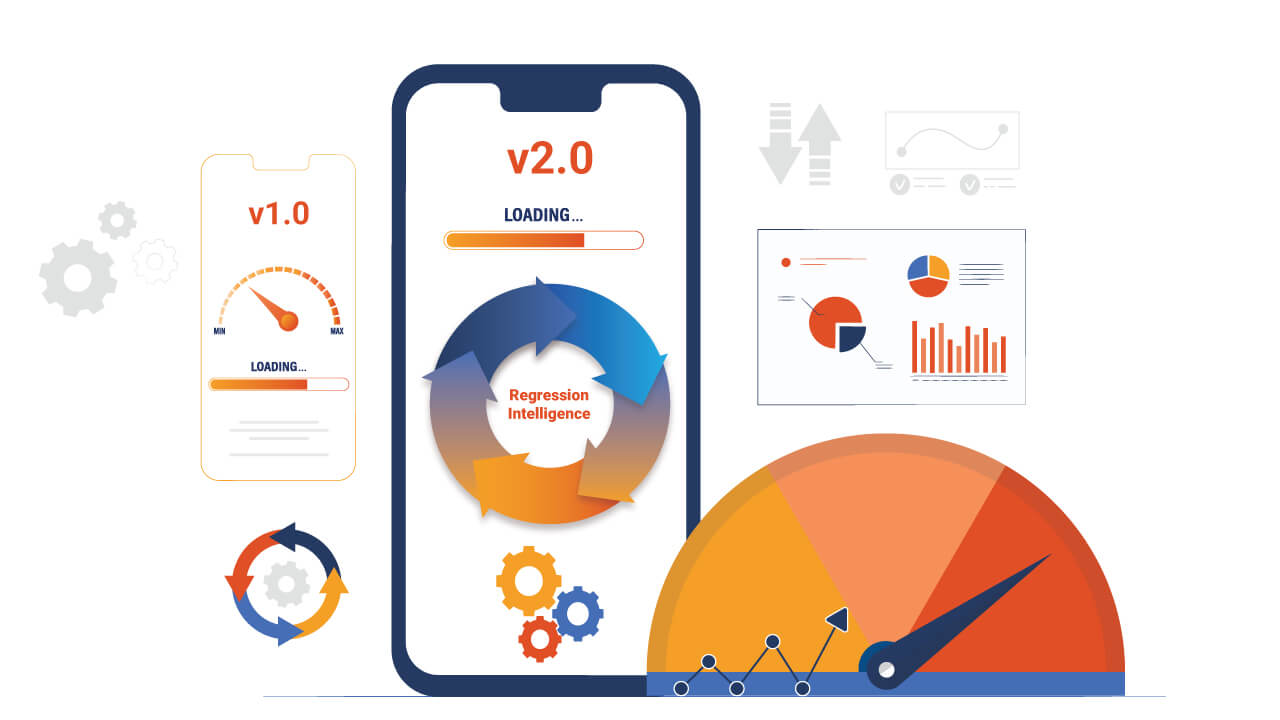
Things start to break down when that plan is executed. The same tests run differently depending on which devices are available, which carrier network is used, which build is picked, or whether the run is manual or automated.
Over time, these differences pull execution away from what was originally planned.
HeadSpin provides a single place to run release test plans on real devices and real carrier networks, with controlled build selection and consistent execution across runs and releases.
In this article, we look at how HeadSpin keeps test plan execution consistent across releases and environments.
Putting Test Strategy into Practice with HeadSpin
Test Infrastructure that Matches Requirements
Test plans for a specific release require validation on defined devices, networks, and locations to meet the user expectations. But execution often breaks when those environments are unavailable, inconsistent, or substituted during testing.
- With HeadSpin, QA teams get continuous access to real devices across 50+ countries to test where users are actually located.
- The platform supports testing on both physical and eSims, allowing teams to validate connectivity scenarios such as 2G, 3G, 4G, 5G, handovers and roaming. Our MSSB box allows swapping of up to 160+ sim profiles from a UI to avoid manual efforts.
- HeadSpin offers flexible deployment options including Cloud based testing, cloud connected on-premise deployments and Air-gapped setups to match the compliance and security requirements.
App Build Management Before Test Execution
Test plans assume that all validation is performed on a specific application build. Execution loses meaning when different teams or test runs unknowingly use different builds.
- With HeadSpin, QA teams can upload, manage, and select application builds centrally using the App Management Hub, ensuring the intended build is used across all test runs.
- This keeps manual and automated executions aligned to the same build, making results comparable across devices, networks, and releases.
Test Execution Management with TEM
Test plans include executable test suites that need to be run repeatedly across devices, networks, and releases. Execution breaks when test runs depend on local machines, fragmented CI setups, or inconsistent execution paths.
- With HeadSpin Test Execution Management (TEM), QA teams can run native mobile test suites directly in the HeadSpin cloud on real devices, without relying on local infrastructure.
- TEM supports execution of iOS test frameworks such as XCUITest and Flutter, allowing teams to trigger individual test cases or full regression suites through the UI or APIs.
- Test runs, logs, and session data are captured centrally, keeping execution consistent and observable across devices, networks, and releases.
Reviewing Execution Outcomes Against the Test Plan
Test execution is only useful if results can be interpreted in the context of the test plan and the environments on which the plan was run.
- With HeadSpin, execution outcomes are tied to the specific device, network, location, and app build used for each run, visualized in time-series view, making it clear where and why performance differs rather than treating failures as isolated results.
- The Waterfall UI aligns screen recordings, network activity, and device performance data and logs in time series, with performance tracked against 130+ KPIs covering app responsiveness, rendering, network behavior, and device resource usage.
- Autogenerated issue cards and impact scores surface critical issues and connect them to specific points in the timeline, helping QA teams trace problems with context.
See how HeadSpin helps teams keep test strategy stable while adapting test plans for every release. Connect Now!
FAQs
Q1. Can small teams combine Test Plan and Test Strategy?
Ans: They can, but only if the distinction between direction and execution is still explicit. Without that separation, decisions tend to drift during the release.
Q2. How often should a Test Strategy change?
Ans: Only when product goals, architecture, or risk tolerance change. If it changes every release, it is acting like a plan.
Q3. Who should own these documents?
Ans: Test Strategy is typically owned by QA leadership. Test Plans are owned by the test lead responsible for the release.


Mansi Rauthan
Associate Product Manager, HeadSpin Inc.






-1280X720-Final-2.jpg)