.png)


.png)




AI-Powered Key Takeaways


Table of Contents

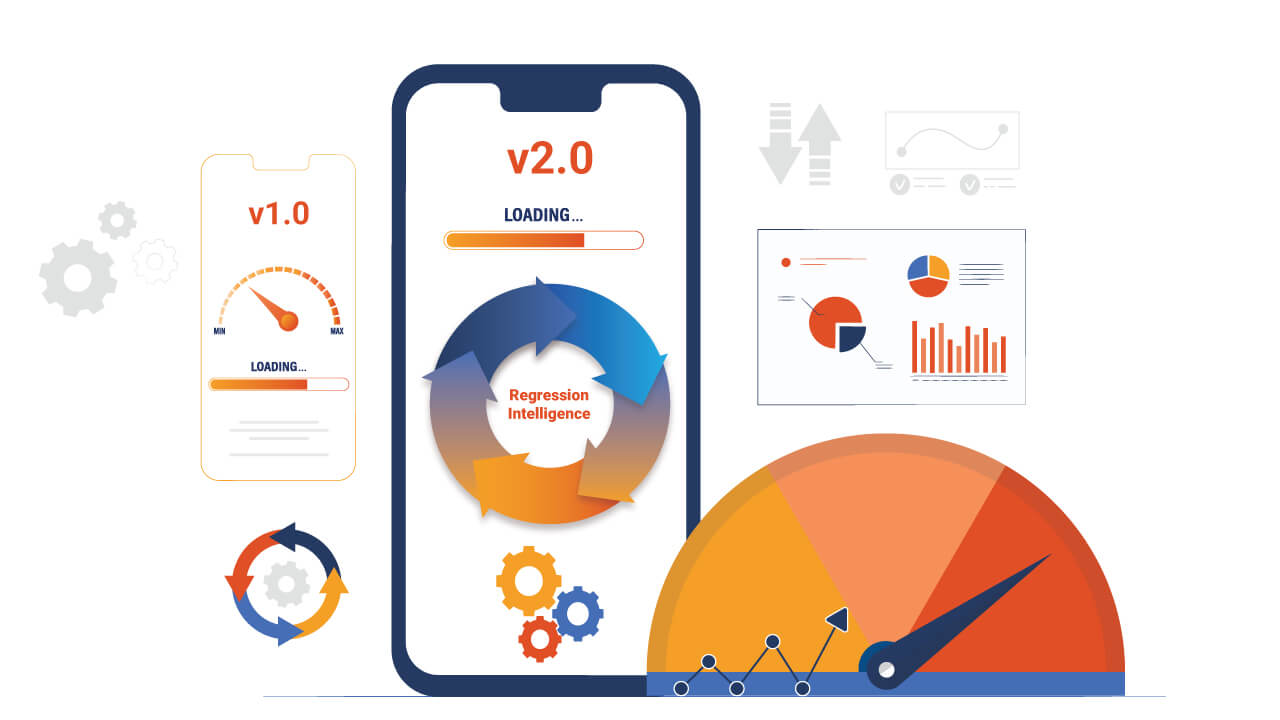
Software teams are building and releasing products faster than ever. Features ship quickly, updates happen more often, and user expectations continue to rise. That puts growing pressure on QA teams, which are expected to maintain quality without slowing delivery.
This does not mean AI is replacing testers. What it really means is that QA teams are using AI to reduce repetitive effort and move their attention to work that creates more value. Instead of spending hours manually writing scripts, revising the same checks, or reviewing large volumes of test results, testers can focus more on finding meaningful issues, improving user experience, and shaping stronger test strategies.
That shift is already happening across the industry. According to a report, 68% of organizations are already using generative AI to advance quality engineering or building plans to use Gen AI after seeing success in early trials. The same report found that 72% said generative AI helped speed up automation work. This shows that AI is moving from idea to everyday use in testing teams.
Why QA needs to move beyond repetitive work
Testing software is not just about clicking through an app and checking whether it works. QA teams often have to review new features, create test cases, repeat the same checks across releases, watch for bugs, and make sure changes in one area do not break something else. As products grow larger and release cycles shorten, this work can become overwhelming.
This is one reason many teams are exploring AI in QA testing. AI can help reduce the burden of repetitive work, giving testers more room to focus on the parts of the job that require human thinking. That includes understanding the user experience, spotting risky areas, and deciding what needs closer attention before launch.
This is an important shift. The goal is not simply to help QA do the same work faster. The goal is to free QA teams from low-value repetition so they can contribute more strategically to product quality.
AI helps teams get started faster
One of the clearest benefits of AI is speed at the starting point. QA teams often spend a lot of time creating first drafts of test cases from product requirements, user stories, or expected workflows. AI can help generate those first drafts more quickly, saving time and giving teams a place to start.
That matters because starting is often the slowest part. When AI helps turn ideas or requirements into draft test cases, testers do not have to begin from scratch every time. They can review, improve, and adapt the output instead. This makes the process more efficient without removing the need for human judgment.
AI can make automation easier to maintain
Automation is useful because it helps teams test software faster, especially when the same checks need to happen repeatedly. But automation also comes with a problem: scripts can break when apps change. A small update in the interface, layout, or user flow can create extra maintenance work for QA teams.
This is why AI in test automation is getting so much attention. It is not just about creating scripts faster. It is also about making them easier to maintain over time. One of the biggest advantages is self-healing, where AI can automatically adjust test scripts when small changes are made to the app, instead of letting the test fail right away.
For QA teams, that means less time spent fixing broken scripts and more time spent focusing on actual quality issues. Instead of constantly reworking automation after every UI update, teams can build workflows that are more resilient and better able to keep up with product changes.
Also Read - How AI Accelerates Test Automation Capabilities
It gives testers more time to think strategically
Good testing is not only about running checks. It is also about asking the right questions. What is most likely to break? What would hurt the user most? What should be tested first? Those decisions still depend on people.
This is where AI in software testing becomes useful in a practical way. AI can take some of the repetitive load off QA teams, so they can spend more time on analysis, decision-making, and improving quality in meaningful ways. In other words, AI is most helpful when it supports testers, not when it tries to replace them.
AI is also changing what teams need to test
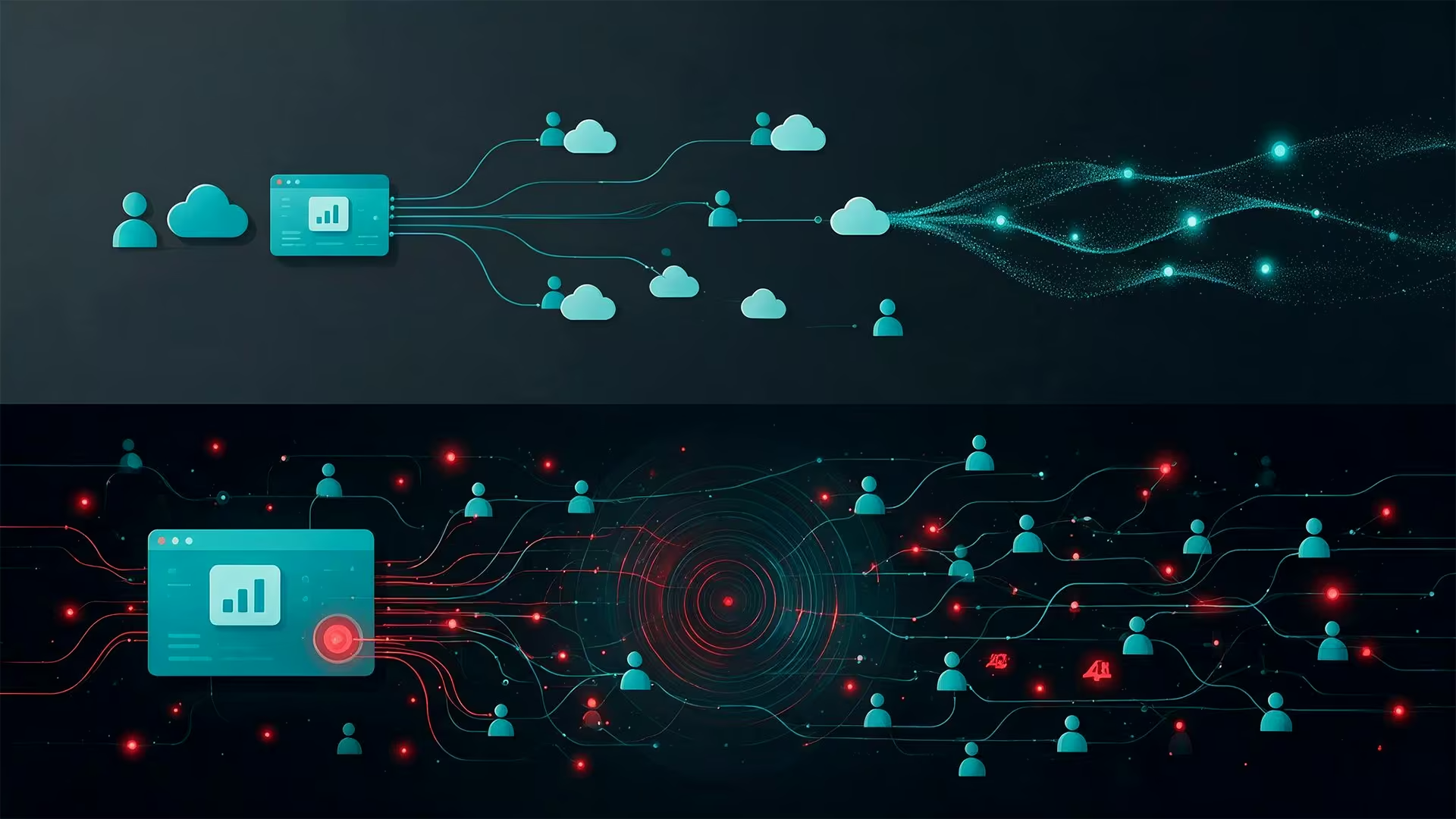
There is another reason AI is becoming more important in QA. Many companies are now building products that include AI features, such as chat assistants, recommendations, summaries, or smart search. Testing those features can be harder because results are not always consistent.
AI features can behave differently from traditional software, especially when they depend on outside AI models or providers. That means QA teams need to think differently when testing these kinds of products. They may need more careful checks, more exploratory testing, and stronger review processes.
This is another reason AI-based testing is becoming a bigger topic. Teams are not only using AI to improve their own workflows. They are also testing more products that include AI, which creates new challenges for quality assurance.
AI should not become a black box
Even when AI saves time, it should not be treated as something teams blindly trust. AI should not become a black box inside the testing process.
For QA teams, that means AI can assist with drafting tests, identifying patterns, surfacing likely issues, or helping validate behavior, but people still need to review the output, understand what the system is doing, and decide whether it is reliable enough to use.
That human layer matters. Testers still need to verify relevance, accuracy, and business value. AI can accelerate the work, but it should never remove visibility or judgment from the process.
Also read - What is Black Box Testing
A smarter path is here
As teams look for ways to create tests faster, reduce script maintenance, make automation more resilient, and connect testing with performance insight, solutions are starting to move in that direction.
ACE by HeadSpin is built around that shift. ACE is designed to let teams describe test flows in plain English, generate executable automation scripts step by step, reduce flakiness through healing loops, support the shift from manual testing to automation, and connect those flows to HeadSpin’s broader testing and performance capabilities, such as page load analysis and Waterfall UI visibility.
That is what makes this next phase of testing interesting. The goal is not just to use AI because it sounds advanced. The goal is to make testing more practical, more stable, and more useful for real teams shipping real products.
Conclusion
QAs are adding AI to their testing cycle because the job has become bigger, faster, and more demanding. AI helps by speeding up repetitive tasks, supporting faster test creation, and making it easier for teams to keep up with rapid software changes.
The real value of AI in testing is not that it replaces people. It gives QA teams more time to focus on the kind of thinking that machines still cannot do well: understanding users, judging risk, and deciding what quality really means for the product.
FAQs
Q1. What challenges exist when using AI in software testing?
Ans: AI testing comes with several challenges, including:
- Lack of transparency in AI models
- Difficulty validating non-deterministic outputs
- Bias in training data
- The need for human oversight
Because of these factors, QA teams still need strong review processes when using AI in testing
Q2. How does Headspin ACE improve QA testing?
Ans: HeadSpin ACE improves QA testing by removing manual scripting and turning simple test descriptions into executable tests on real devices. It adapts to UI changes and reduces test failures, helping teams move faster and focus on validating real user experiences instead of maintaining scripts.


Mansi Rauthan
Associate Product Manager, HeadSpin Inc.




-1280X720-Final-2.jpg)